Ending the night shift
A live masterclass for women who are exhausted, wired and wide awake at 3am
Why your body won't let you sleep, and what to do tonight.
Exhausted but wide awake? It's common, but it doesn't have to be your new normal. Your brain's alarm system has stayed switched on at night, scanning for trouble. Struggling to get to sleep, stay asleep or waking too early feels just like you're working the night shift.
In one live session, you'll learn why tired doesn't mean sleepy, and learn my exact plan for switching the alarm off, so you can finally feel refreshed when you wake. Your sleep assessment arrives the moment you register.
Live Wednesday 18 November
6pm Eastern · 5pm Central · 4pm Mountain · 3pm Pacific
Australia: Thursday 19 November, 10am Melbourne time · UK: Wednesday 18 November, 11pm
🎥 Can't make it live? The replay is sent to everyone who registers.
$27 USD ($37 AUD) · Replay included
With Luanne Hopkinson, clinical nutritionist, nervous system coach and founder of Happy Without Histamine and BrainFood
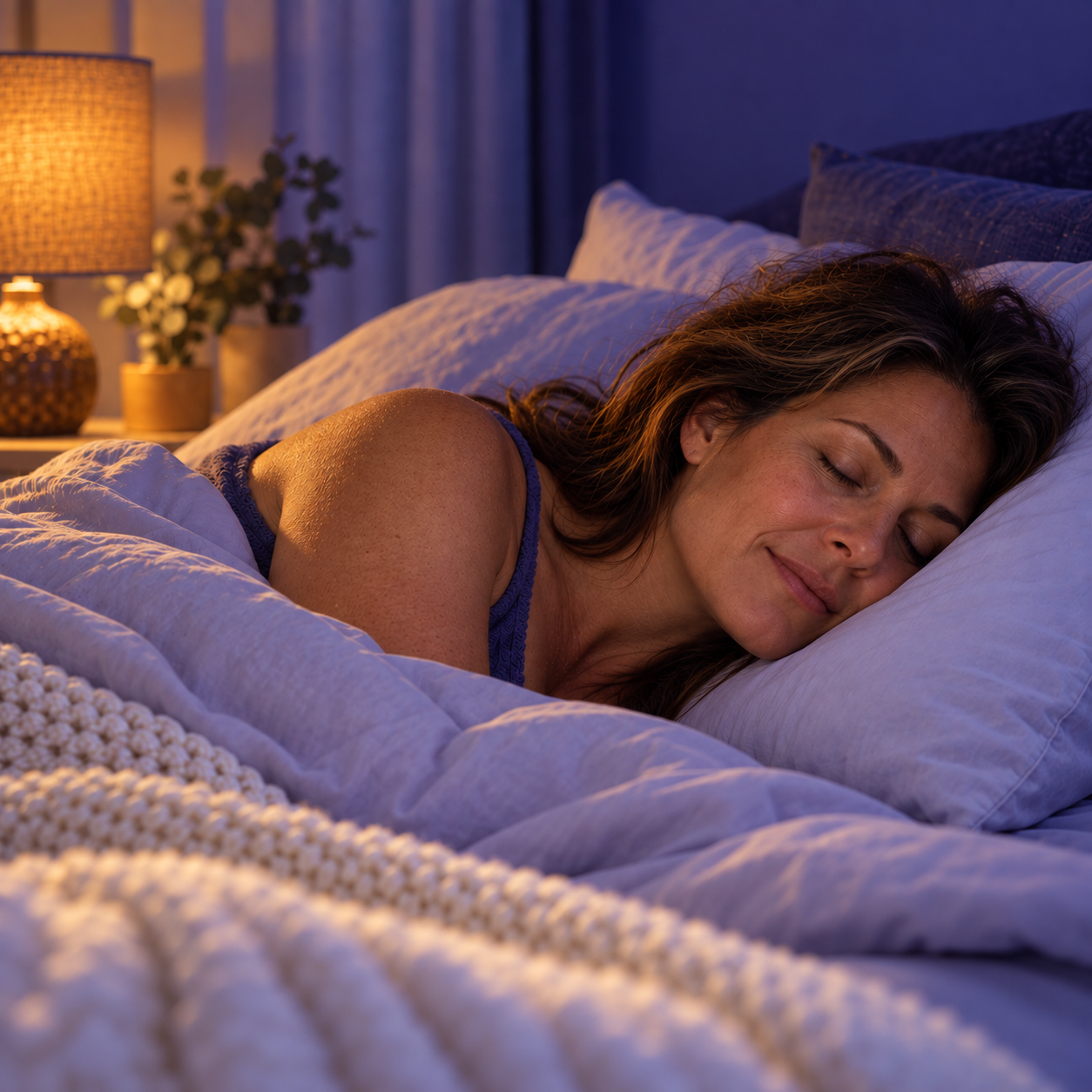
Do you spend all day dreading going to sleep?
You've done the sleep hygiene. So why are you still awake at 3am?
You're sleepy on the couch at nine o'clock, then wide awake the second your head touches the pillow. Your body is wrung out and your brain is ready to plan next week.
You wake somewhere between 1 and 4am, hot, sore, hungry or with your heart pounding, or with a spike of anxiety out of nowhere. And then you lie there doing the maths on how many hours are left.
You wake at 4:30 or 5am, an hour before your alarm, and your brain starts the day without you. Once the light creeps in, there's no going back to sleep.
You sleep, but never deeply. You toss and turn, every creak or itch pulls you back to the surface, and you wake feeling like you never really slept.
You've tried the dark room, the herbal tea, the no-screens rule and the sleep apps. You could write the sleep hygiene list from memory. And you're still here.
You go to bed already bracing. "I know I won't sleep tonight." And the next morning, before your feet touch the floor: "Only four hours. Today's going to be terrible."
What you want is so much simpler than any of that. To get into bed without dread. To wake at 3am and drift back off instead of starting tomorrow's worrying early. To stop organising your whole evening around sleep.
Which night shift are you working?
Not everyone wakes at 3am. Your sleep assessment shows which of these is yours.
The late shift
You're exhausted all evening, then wide awake the moment you lie down. Or you only feel sleepy well after midnight.
The 3am call-out
You wake in the night, hot, sore, hungry, needing the bathroom or with an adrenaline surge, and can't get back to sleep.
The early clock-on
You wake an hour or more before you need to, and your brain starts the day without you.
The light patrol
You toss and turn all night, or vivid dreams wake you, and you never feel properly rested.
The double shift
A bit of everything. Your nights change, and more than one of these sounds like you.
Whichever shift you're working, the session gives you tools for it, and your sleep assessment arrives the moment you register.
Welcome to the end of the night shift
No more rules to follow perfectly. No more foods to cut. No more "just relax".
Most sleep advice sits at one of two extremes. One side hands you a longer checklist. The other side tells you to calm down and think positive. And if histamine is part of your story, there's a third option waiting for you: cut out more foods. None of those speaks to what's actually keeping you awake, which is a nervous system (your body's built-in alarm system) that doesn't feel safe enough to switch off.
Think of your alarm system like a guard dog. A good guard dog barks when there's a real threat. But a guard dog that has been on duty for years starts barking at everything: an extra strong heartbeat, an itch, a creak in the house, the clock, tomorrow's to-do list. Each bark wakes you up and keeps you up. The tools in this masterclass teach your guard dog that night-time is safe, so the guard dog can lie down and let you rest.
This masterclass works on your nervous system and your body together. By the end of our session, you'll know why you've been lying awake, you'll have practised the tools with me, and you'll have your plan for tonight that fits on one page.
Find your plan. Ready for tonight.
First, you bring your bed (and a pen)
Nothing to prepare, nothing extra to buy.
You don't need a diagnosis, a sleep tracker or a stack of supplements. You bring your honest sleep story, your worst 3am, and a willingness to try one small thing. When you register, you'll get your sleep assessment pack:
- ✓Your sleep type checklist. Tick the boxes that sound like your nights, and find out which sleep type you are, so you know which parts of the session to lean into.
- ✓Your sleep pattern snapshot. A quick picture of how your nights actually run right now.
- ✓The alarm check and your sleep loop. The alarm check shows how tired you are compared with how on edge you feel at bedtime. Your sleep loop shows how your nights and your days feed each other. Both are ready to bring to the live session.
You don't have to wait until the live session
Your sleep assessment pack is yours the moment you register.
Instant sleep assessment pack. Download it straight away, tick your way through the sleep type checklist, and fill in your snapshot, alarm check and sleep loop.
Arrive already knowing your pattern. You'll walk into the session knowing your sleep type, so everything I teach can be quickly personalised for you.
The full workbook on the day. Every tool, the bedside Sleep SOS card and nine bonus handouts arrive with the live session, so you learn each tool properly before you use it.
Then we put it all into practice together. The live session gives you:
- ✓Live practice. We do the Sleep SOS together, in real time, so you've already done it once before 3am comes around.
- ✓Your questions answered. Bring the issues that confuse you most.
- ✓The why behind every tool. When you understand why and how a tool works, you're far more likely to get results.
Ending the night shift
One session, seven steps, one clear direction: from lying night after night on high alert to knowing exactly what to do if your body sounds the alarm at 3am.
The live session
What we cover together
Instant sleep assessment pack now + live on Wednesday 18 November, 6pm Eastern / 3pm Pacific · about 60 minutes, with live practice and Q and A · replay included
We work through what's actually keeping you awake, then practise the tools together, step by step. You'll leave with:
- ✓Tired versus sleepy. Why exhaustion doesn't switch sleep on, and the alarm check, a ten-second score that tells you whether you're worn out, on edge, or both.
- ✓The histamine and nervous system loop. How histamine, mast cells and your nervous system feed each other at night, and why cutting more foods can make sleep worse, not better.
- ✓Attention is fuel. Why every heartbeat and itch gets louder once the house goes quiet, and a brain retraining step that turns the volume down on those signals.
- ✓Your bed as a learned cue. How to retrain your bed so the bed stops being the place you do your worrying, with a gentle version for anyone with ME/CFS, POTS or pain.
- ✓Closing the day. A five-minute way to get the day's unfinished business out of your head before bed, so your brain doesn't read the list back to you at lights out.
- ✓The Sleep SOS. A six-step response for when you wake at 3am, practised live.
- ✓The tomorrow test. What to do with the morning-after maths, so one rough night doesn't set up the next one.
You leave with a one-page plan for tonight and an SOS plan ready for 3am.
The live session and the replay
Teaching, live practice and Q and A. Not a lecture.
United States
Australia and UK
Can't make it live? The replay is included. The recording is sent to everyone who registers after the session, along with the full workbook, so you can watch in your own time.
Built for tired brains
Designed to be finished, even on a low-energy day.
Short, doable, repeatable. Every tool you learn takes five minutes or less:
- ✓A sleep assessment pack, so you arrive knowing your sleep type
- ✓The replay, so you can pause, rewatch and take the session in pieces
- ✓A full workbook on the day to quickly find the info you need
- ✓A bedside card, so you don't have to remember anything at 3am
- ✓Nine bonus handouts for the extra questions
- ✓No trackers and no sleep scores, because we're changing how you respond to the night, not grading it
The bonus handouts
Tools you'll keep coming back to after the session.
Some questions deserve more than a live session has room for, so the practical extras arrive with your workbook on the day, as one-page handouts.
Sleep foundations
The handful of daily habits that matter most, on one page, without the lecture.
Evening wind-down menu
A menu to choose from, not a schedule to keep up with.
Bedroom setup for sensitive bodies
How to make your bedroom easier on a reactive body.
Food, histamine and night-time
How to eat for steadier blood sugar and better nights, without adding a single food rule.
Gentle nutritional support
Teas, nutrients and food ideas that support calmer nights, with plain notes for sensitive bodies.
Hot, flushed or sweaty at night
Practical ways to stay comfortable when your temperature won't settle.
Reflux, pain and itch at night
Comfort strategies for pain, reflux and itch, the things that wake you.
Why you feel the way you do
The surprising sleep science that makes sense of your nights.
When to get checked
The signs worth raising with your GP.
Beyond the replay: a new response to the night
What you practise here keeps working after the session ends.
For you
Notice, name, move and the Sleep SOS are skills, not rules. Like any skill, they get easier the more you use them, and every time you use one you're teaching your brain that waking at 3am is not an emergency.
For the people you share a home with
When bedtime stops being a symptom-management appointment, evenings get easier for everyone. Less clock-watching, less "What did I eat today?", more actual rest.
One rule
Put the sleep tracker away for the masterclass. We're working on how you respond to the night, not on your score.
Your instructor
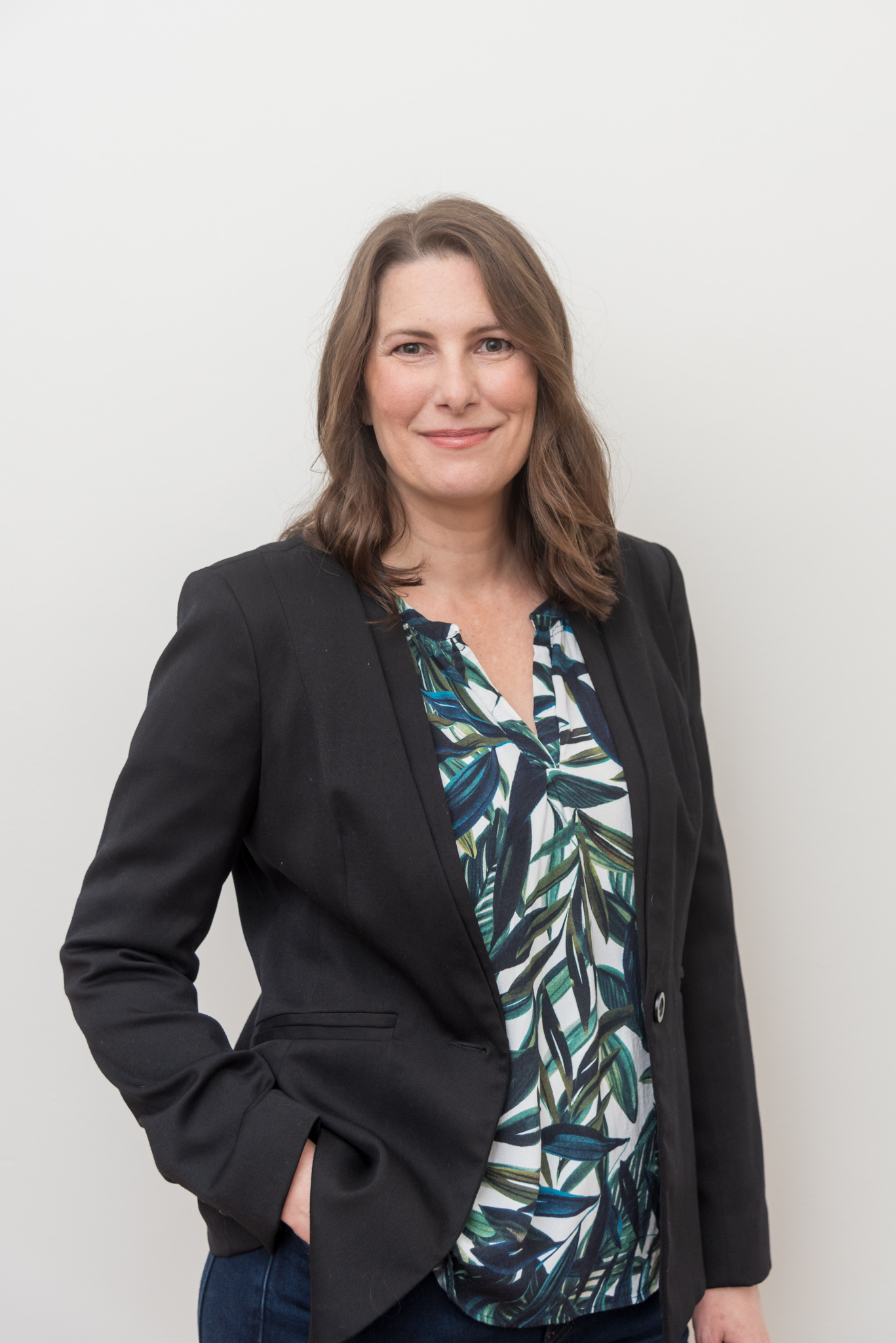
Luanne Hopkinson
I'm a clinical nutritionist and neuroplasticity coach in Melbourne, and I've been at both ends of this. There was a time I was sleeping 20 hours a day with ME/CFS, and there were periods when I was sleeping just 20 minutes a night for months at a time. Insomnia sat on my shoulder every evening, and weighed me down with fatigue during the day. I lived with chronic pain, fibromyalgia and MCAS, and in perimenopause my sleep got worse, along with hot flushes and anxiety. I know what it's like to be stuck in this cycle. And I know how to get out of it.
- ✓Clinical nutritionist. GradDipHumNutr, BSc, ADipNutrMed, ATMS, MAP-CP
- ✓Neuroplasticity coach. MAP Rapid Rewire practitioner, iRest meditation teacher, NLP practitioner
- ✓Founder of Happy Without Histamine and BrainFood. Nutrition + neuroscience, working on the gut and the nervous system at the same time, so you can get back to the life you love.
I don't teach sleep as a list of rules. I teach sleep the way I work with clients: calm the nervous system, look after the body, and stop fighting the night.
Ending the night shift
Live sleep masterclass
The bedtime meditation and the Sleep SOS audio for 3am are available as optional extras, $9 USD each, with a bundle discount when you add both at checkout.
Frequently asked questions
What does "the night shift" mean?
"The night shift" is my name for what happens when your brain's alarm system stays switched on overnight. Your body is exhausted, but part of your brain is still on watch, so every small sound or sensation wakes you. In the session I also call that alarm system the guard dog. You don't need any science background to follow along, but if you like the science there will be a few details for you. If you've ever been tired but wired, you already know the feeling.
I've never heard of the nervous system stuff. Will I keep up?
Yes. Everything is explained in plain language, with everyday examples, and you'll practise each tool with me rather than just hearing about each tool.
What if I don't wake at 3am?
That's fine. Some people can't get to sleep, some wake too early, some toss and turn all night, and some do a bit of everything. Your sleep assessment shows which night shift you're working, and the session covers every one of them, including waking with pain, hunger, an anxiety spike, a racing heart, hot flushes or needing the bathroom.
What if I can't attend live?
The replay is sent to everyone who registers, so you can watch in your own time, pause, and come back to it. Your sleep assessment pack arrives the moment you register, and the full workbook comes with the session.
When do I get the workbook?
Your sleep assessment pack, with your sleep type checklist, snapshot, alarm check and sleep loop, arrives the moment you register. The full workbook, bonus handouts and bedside card arrive on the day of the session. The first three pages are in the full workbook too, in case you missed them.
What time is the session for me?
In the US, the session is on Wednesday 18 November at 6pm Eastern, 5pm Central, 4pm Mountain and 3pm Pacific. In Australia, it's Thursday 19 November at 10am Melbourne time. In the UK, it's 11pm on Wednesday 18 November. Can't make that time? The replay is sent to everyone who registers.
Will this just be a sales pitch?
No. The session is teaching and live practice. Near the end I spend a few minutes on BrainFood, my nervous system program, for anyone who wants to go further, and that's all.
Is this for me if I don't have histamine issues?
Yes. The masterclass is built around your nervous system, the part of you that decides whether it's safe enough to sleep, and the nervous system drives sleep for everyone. If histamine or mast cells are part of your story, there's a section just for you.
Will you tell me to cut out more foods?
No. If anything, you may leave planning a more nourishing dinner. Going to bed under-fuelled can wake you in the night, so this masterclass is about food flexibility, not more rules.
What if I'm in a dip that week?
Watch the replay when you're ready, in small pieces if that helps. Every tool takes five minutes or less, and there's a gentle version of each one for low-energy days.
How long do I keep access?
The replay and workbook are yours to keep.
Do I need to change my medication or supplements?
No. Nothing in this masterclass asks you to change your medication, and the masterclass doesn't replace advice from your GP or prescriber.
Are the sleep audios included?
The masterclass includes the replay, the workbook and the bonus handouts. The bedtime meditation and the Sleep SOS audio for 3am are available as optional extras for $9 USD each, and you'll be offered both together at a bundle price when you check out.
Can I get a refund?
Because your sleep assessment pack is delivered instantly, the masterclass is non-refundable. This doesn't affect your rights under Australian Consumer Law.
I'm thinking about BrainFood too. Does my $27 count?
Yes. If you join BrainFood after the masterclass, your $27 comes off the price.
Now imagine the night after the masterclass
It's 3am and you're awake. But this time your stomach doesn't drop as you groan "Oh no". You notice your heart speeding up and recognise the alarm going off, and you know the alarm isn't an emergency. You know what to do, and you're not fighting the night any more.
Your job isn't to make yourself sleep. Your job is to create the conditions. Let's set them up together.
Live Wednesday 18 November, 6pm Eastern / 3pm Pacific · Thursday 19 November, 10am Melbourne · $27 USD · Replay and workbook included