How to Eat 30 Plants a Week on a Low Histamine Diet
Following a low histamine diet can be challenging. Many high-histamine foods are also nutrient-dense, such as fermented vegetables and avocado. Eating low histamine can feel like there is nothing left to eat! However, there are still plenty of vegetables that are low in histamine and can provide valuable nutrients.
Polyphenols, fibre, vitamins and the gut microbiome also play a role in managing histamine intolerance and I’ll go into more detail about these below.
So, how do we get enough vegetables on a low-histamine diet?
What is the microbiome?
Let’s do a quick refresher on what is the microbiome and why is it important with histamine intolerance. The microbiome refers to the community of microorganisms (bacteria, viruses, fungi, and other microbes) that live on and inside the human body. The human microbiome is most commonly associated with the gut, but it also exists on the skin, in the mouth, and in other parts of the body.
The gut microbiome and histamine intolerance
There is some evidence to suggest that the microbiome may play a role in histamine intolerance. Histamine intolerance is a condition where the body is unable to break down histamine properly, which can lead to a range of symptoms, such as headaches, skin rashes, and digestive issues.
Some studies have found that certain strains of bacteria in the gut can produce histamine or contribute to histamine intolerance. For example, some bacteria can produce histamine whilst others have been shown to break it down.
The composition of the gut microbiome can also influence the activity of enzymes that break down histamine, such as diamine oxidase (DAO). Some studies have found that imbalances in the gut microbiome can lead to reduced DAO activity, which can contribute to histamine intolerance. And of course, leaky gut and overgrowth or imbalance (dysbiosis) of any of these critters in the gut can trigger mast cells to release histamine too!
So feeding our gut bacteria the right foods, in the right amounts is important, but what are the right foods? Let’s look at polyphenols and fibre, two key constituents of vegetables we need for great health.
What are polyphenols?
Polyphenols are a group of plant compounds that are known for their antioxidant and anti-inflammatory properties. They are found in many fruits, vegetables, herbs, and spices, and are important for supporting a healthy microbiome.
Polyphenols are important for the microbiome because:
Polyphenols can act as prebiotics, which means they can stimulate the growth of beneficial bacteria in the gut. They provide a food source for these bacteria, allowing them to thrive and support overall gut health.
Polyphenols can also have antimicrobial effects, meaning they can help to control the growth of harmful bacteria in the gut. This helps maintain a balance of good and bad bacteria, essential for a healthy microbiome.
Polyphenols have also been shown to have anti-inflammatory effects. This can help to reduce inflammation in the gut and support a healthy microbiome. Chronic inflammation in the gut can disrupt the balance of the microbiome and lead to a range of health problems.
Some studies suggest that polyphenols can protect the gut lining from damage caused by harmful bacteria or toxins. This can help to maintain the integrity of the gut barrier, which is important for preventing inflammation and maintaining gut health.
Overall, polyphenols are important for the microbiome because they support the growth of beneficial bacteria, control harmful bacteria, reduce inflammation, and protect the gut lining. Consuming a diet rich in polyphenols can help to promote a healthy microbiome and support overall health.
Low histamine family meal plan
One of the things nobody warns you about is that you still have a family to feed, and most of them have no interest in eating your food. This meal plan was designed so you don’t have to cook separate dinners anymore.
A 7-day meal plan with a shopping list, prep guide, and recipes built around the cook-once-eat-multiple-times approach, because leftovers need to be managed carefully on a low histamine diet.
Why is fibre important for the microbiome?
Fibre is an important nutrient for the microbiome because it serves as a prebiotic, or food source, for the beneficial bacteria in the gut. When we eat certain types of fibre, it passes through the digestive system largely undigested and reaches the large intestine, where it is fermented by the bacteria in the gut.
The fermentation of fibre by gut bacteria produces short-chain fatty acids (SCFAs). SCFAs are important for a number of reasons:
SCFAs can be used as an energy source by the cells in the colon. This helps to maintain the health of the gut lining.
SCFAs can help to regulate immune function by reducing inflammation in the gut.
SCFAs can also affect metabolism by regulating the production of hormones that control appetite and blood sugar levels.
pH balance: SCFAs can help maintain a healthy gut pH balance. This supports beneficial bacteria’s growth and controls harmful bacteria’s growth, leading to a better balance of microbes.
Research has shown that a diet high in fibre is associated with a more diverse and beneficial microbiome. A diverse microbiome is important because it helps to maintain a healthy balance of bacteria in the gut, which is important for overall health. Lack of diversity has been associated with many poor health outcomes and is something I see frequently in my clients.
Sick of boring low histamine meals?
Low Histamine Reboot – Your low histamine elimination diet made easy with 4-weekly meal plans, over 55 recipes, with prep guides and shopping lists for each week.
Check out the Low Histamine Reboot or the Vegan Low Histamine Recipe eBook for delicious low-histamine, dairy-free, gluten-free recipes.
Eating 30-40 plant foods a week:
One way to address gut dysbiosis and improve health is by increasing the amount and type of vegetables in your diet. Getting 30-40 plant-based foods a week can provide a wide range of health benefits. Here are some reasons why:
Nutrient density: Plant-based foods are typically rich in vitamins, minerals, and other nutrients that are essential for good health. Eating a diverse array of plant-based foods ensures that you’re getting a broad spectrum of nutrients.
Fibre: Plant-based foods are typically high in fibre, which can help to promote digestive health, regulate blood sugar levels, and reduce the risk of chronic diseases. Such as heart disease, diabetes, and certain types of cancer.
Antioxidants: Many plant-based foods are rich in antioxidants, which can help to protect your body from free radicals that can damage cells and contribute to the development of chronic diseases.
Reduced inflammation: Eating a diet that is rich in plant-based foods has been linked to reduced inflammation in the body. Chronic inflammation is thought to contribute to the development of many chronic diseases, including heart disease, diabetes, and cancer.
Weight management: Plant-based foods are typically low in calories and high in fibre, which can help to promote feelings of fullness and reduce the overall amount of food that you eat. This can help with weight management and reduce the risk of obesity.
Overall, eating 30-40 plant-based foods a week can provide a wide range of health benefits, including improved nutrient intake, better digestion, reduced inflammation, and a lower risk of chronic diseases.
Here are some tips for incorporating enough vegetables into a low-histamine diet:
Choose fresh, non-fermented vegetables. Fresh vegetables are generally low in histamine, and choosing non-fermented vegetables will help to avoid histamine-producing bacteria.
Focus on green leafy vegetables. Vegetables such as lettuce, rocket (arugula), Tuscan kale and collard greens are generally low in histamine and are rich in nutrients such as vitamins A, C, and K, as well as calcium and iron.
Cook vegetables well. Cooking vegetables can help to break down histamine and reduce its levels in the food. Try steaming or sautéing your vegetables instead of eating them raw.
Choose low-histamine vegetables. Some low-histamine vegetables include zucchini, carrots, broccoli, green beans, asparagus, and sweet potatoes. There are actually a lot of low-histamine vegetables available – grab my free low-histamine list for ideas.
Incorporate fresh herbs. Spices and herbs count! Many fresh herbs are low in histamine and can add flavour to your vegetables. Try adding basil, coriander, rosemary, dill, or thyme to your dishes.
Eat the rainbow – Aim for a range of colours in your meal every day. Polyphenols can be found in bright purples, reds, oranges and yellows.
It’s important to note that everyone’s sensitivities and tolerances are different, so it’s important to work with a professional to create an individualized low-histamine diet plan that meets your specific needs.
Overall, there are many benefits to eating 30-40 plant-based foods in a week. Polyphenols and fibre both play a huge role in the gut microbiome, with links to the gut, skin, hormones, and mood as well as drivers for inflammation and the immune system. Improving our gut microbiome is one of the keys to improving symptoms and increasing tolerance to food.
For more information on vegetables available on a low-histamine diet, grab your copy of the Low Histamine Food Guide.
About Luanne Hopkinson
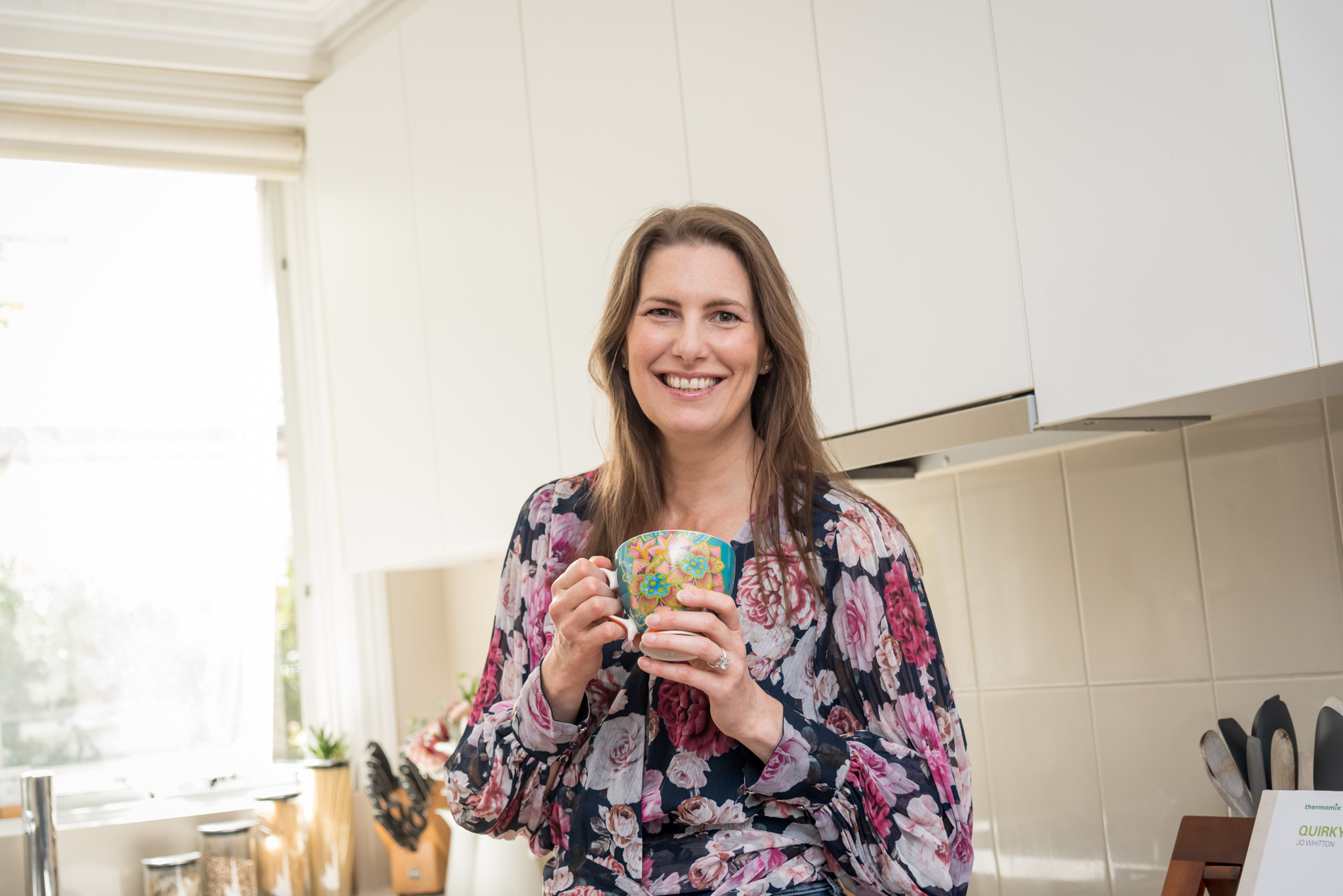
Luanne Hopkinson (GradDipHumNutr, BSc, ADipNutrMed) is a clinical nutritionist, neuroplasticity coach, and founder of Happy Without Histamine, specialising in histamine intolerance and MCAS. After her own experience with histamine issues, she combines evidence-based nutrition with neuroscience to help women move beyond trigger avoidance and into real healing.
Her 5R Histamine Modulation Protocol™ integrates gut microbiome repair with nervous system regulation—supporting the body to become less reactive and more resilient over time.
Educational information only. This content is provided for informational purposes by Luanne Hopkinson, Clinical Nutritionist & Member of ATMS (Australian Traditional Medicine Society). It does not constitute medical advice and is not a substitute for professional healthcare. Always consult your doctor or qualified health practitioner before changing your diet, starting supplements, or making health decisions. Individual experiences may vary.
Low histamine pressure cooker recipes
You already know fresh is better for histamine, but “fresh” takes time and energy you don’t always have. Most days, you’re trying to get food on the table without triggering a reaction, and that’s exactly what this is for.
Inside you’ll find 20 low histamine pressure cooker recipes plus a 7-day meal plan, shopping list, and prep guide. Wheat-free, dairy-free, whole food, and actually worth eating.